
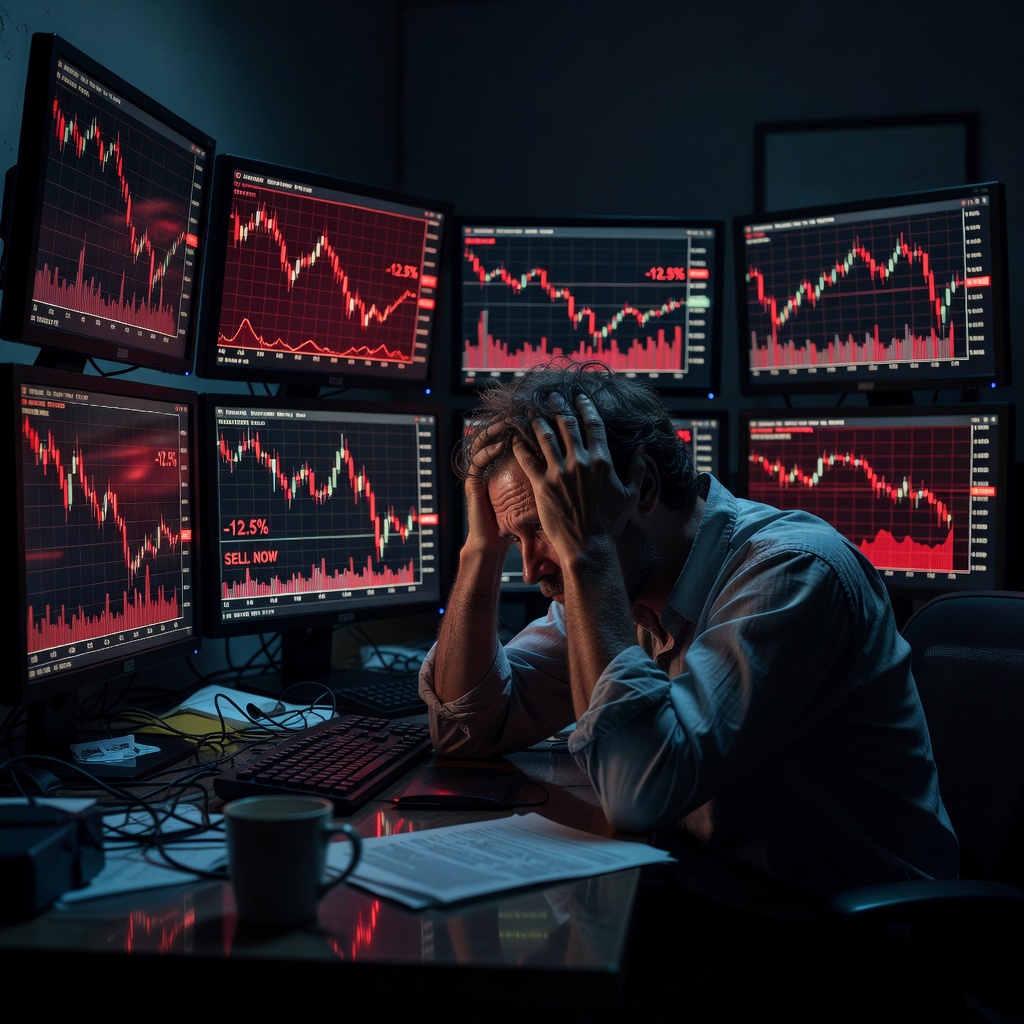
Why Most Traders Fail: It's Not Your Strategy — It's Your Psychology
Picture this: It's 9:30 AM, the opening bell has just rung, or maybe you're glued to a crypto chart as Bitcoin surges. Your screens light up with the setup you've backtested a hundred times. Confluence everywhere—support holding, RSI dipping into oversold, volume spiking just right. You enter the trade, a quiet confidence settling in. Then, like a cruel twist in a nightmare, it reverses. Candles flip red against you. That sinking feeling hits your gut like a freight train. Why? Because trader psychology isn't about charts; it's about the storm raging inside you.
If you're a retail day trader chasing setups in stocks or a crypto trader riding volatile waves, you've been here. The market feels personal, like it's mocking your every move. And here's the raw truth: why traders fail isn't their strategy. It's emotional trading—the invisible saboteur that turns profitable edges into account-wrecking disasters. Let's unpack this beast, one brutal scenario at a time.
The 'Perfect' Setup That Betrays You
You spot it: the flawless entry. Price bounces off that key level you've marked with a thick line, momentum indicators align like stars in a clear night sky. Your finger hovers over the buy button, pulse quickening. You pull the trigger, position sized perfectly to your risk rules. For a split second, it works—green flickers across the screen.
Then the rug pull. A news blip, a whale dump in crypto, or just institutional flow you can't see. It gaps against you, stop-loss untouched yet because you're hoping. That hope? It's trader psychology at its sneakiest. You're not trading the market anymore; you're fighting your own biology, the primal urge to be right overriding logic. The perfect setup crumbles, leaving you staring at a loss, whispering, "Not this time." But it is this time, every time, until you master the mindset.
The Revenge Trading Spiral: One Loss Becomes a Black Hole
That first loss stings, but it's manageable. Until it's not. "I need to win it back," you think. Revenge trading kicks in like a drug. You double your position size on the next trade—no time for patience when your account's bleeding. Rules? What rules? Your plan, the one you swore by, gathers dust as you chase breakouts or scalp micros with oversized bets.
The spiral accelerates. A small win fuels the fire, masking the growing drawdown. Then another loss, bigger this time. Emotions compound: anger, desperation, that gnawing fear of failure. You're not trading; you're gambling to soothe the ego. I've seen it in mirrors and chat rooms alike—this is emotional trading's darkest path, where one bad setup snowballs into a blown account. The market doesn't care about your comeback story; it just takes.
The FOMO Trap: Chasing the Train That's Already Left
Crypto's a FOMO breeding ground, but day traders know it too. That green candle rockets up—friends in Discord are piling in, Twitter's exploding with calls. "Can't miss this," your brain screams. You buy the top, heart racing with excitement masking fear. Price peaks, then plunges. You're left holding the bag, watching others profit while you bleed.
FOMO trading is trader psychology's siren song. It's the fear of missing out wired into our hunter-gatherer brains, amplified by 24/7 markets. You abandon your edge for the thrill of the herd, entering late with no plan for the inevitable reversal. The pain? It's not just the loss; it's the regret of knowing you chased emotion over discipline.
The Shame of the Red Screen: When Doubt Consumes You
Trade after trade, the red screen stares back. Self-doubt creeps in like fog: "Am I even cut out for this? Everyone else seems to win." Your journal fills with excuses, but deep down, you know. The shame hits hardest in quiet moments—account down 20%, confidence shattered. Trading mindset fractures; what was passion becomes punishment.
This is why traders fail most spectacularly—not from bad strategies, but from letting emotions rewrite their self-worth. The market feels personal because you've made it so, tying your identity to P&L. That red glow isn't just pixels; it's a mirror to unchecked impulses.
The Strategy Paradox: Your Edge Is Good Enough—Your Brain Isn't
Here's the paradox: most traders have a "good enough" strategy. Backtests show positive expectancy; live results should follow. But they don't, because emotional trading hijacks it all. Revenge trades, FOMO entries, holding losers too long—your brain sabotages the very system you built.
Trader psychology demands rewiring. It's not about smarter indicators; it's about pausing when adrenaline surges, walking away after losses, treating trading like a business, not a battlefield. Acknowledge the biology you're up against—fear, greed, overconfidence—and build fences around it.
Hope on the Horizon: It's Not You, It's the Awareness Gap
Brother or sister in arms, hear this: You're not dumb. You're not lacking skill. Why traders fail boils down to psychological self-awareness, not strategy flaws. The pros aren't superhuman; they've just tamed the beast inside.
Start small: Journal every emotion mid-trade. Set hard rules—like no trading after two losses. Meditate on the screen's impersonality. Your trading mindset can shift, turning red screens into lessons, spirals into straight lines. The market's chaos is constant; your response doesn't have to be. Step back, breathe, rebuild. You've got the edge—now claim the mind to wield it.